Industry
Healthcare, Digital Health Systems
Client
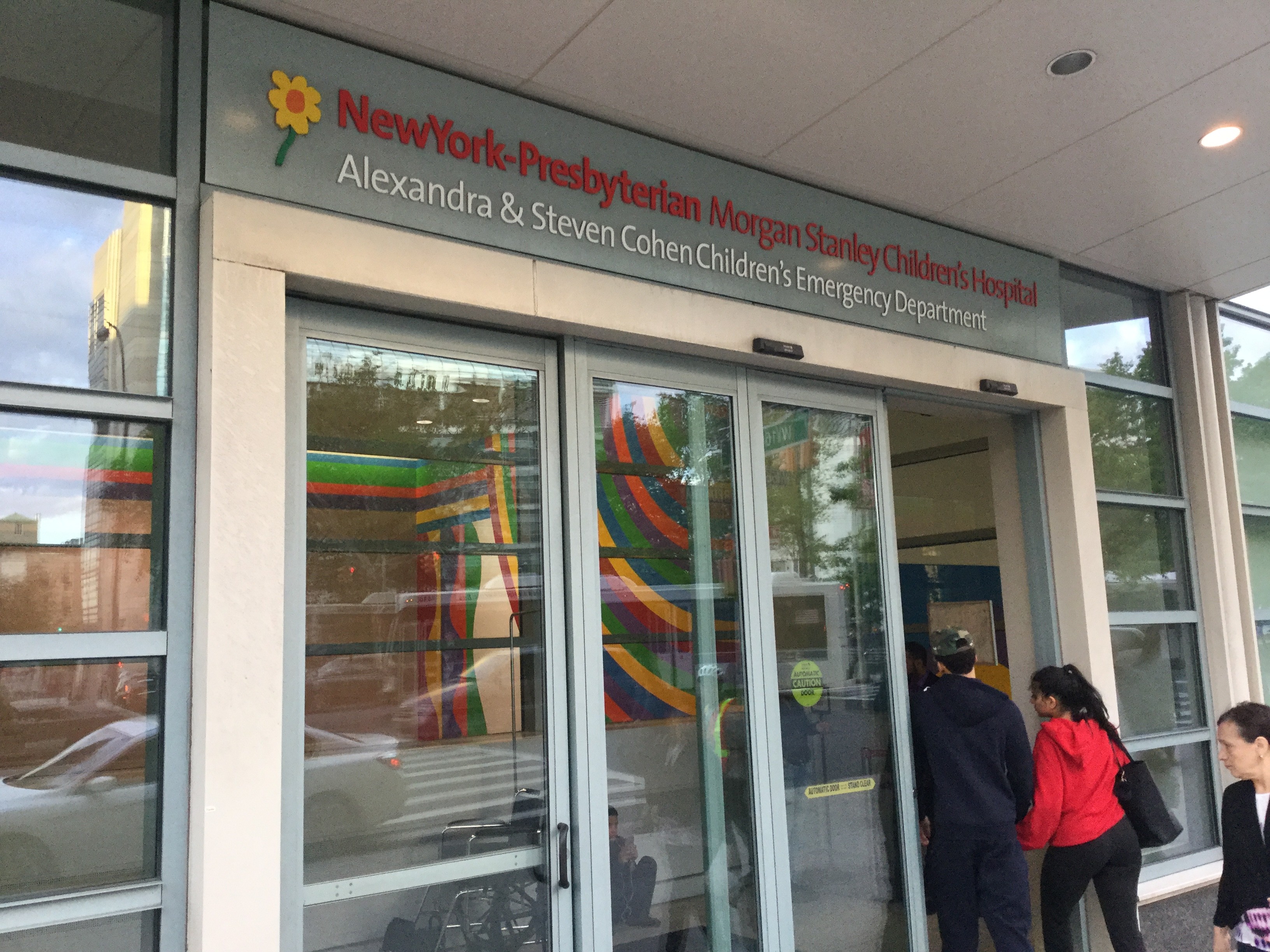
NewYork-Presbyterian (Hackathon Winner)
PIP — Pediatric Surgical Care Companion Pre, Intra, and Post-Operative Support
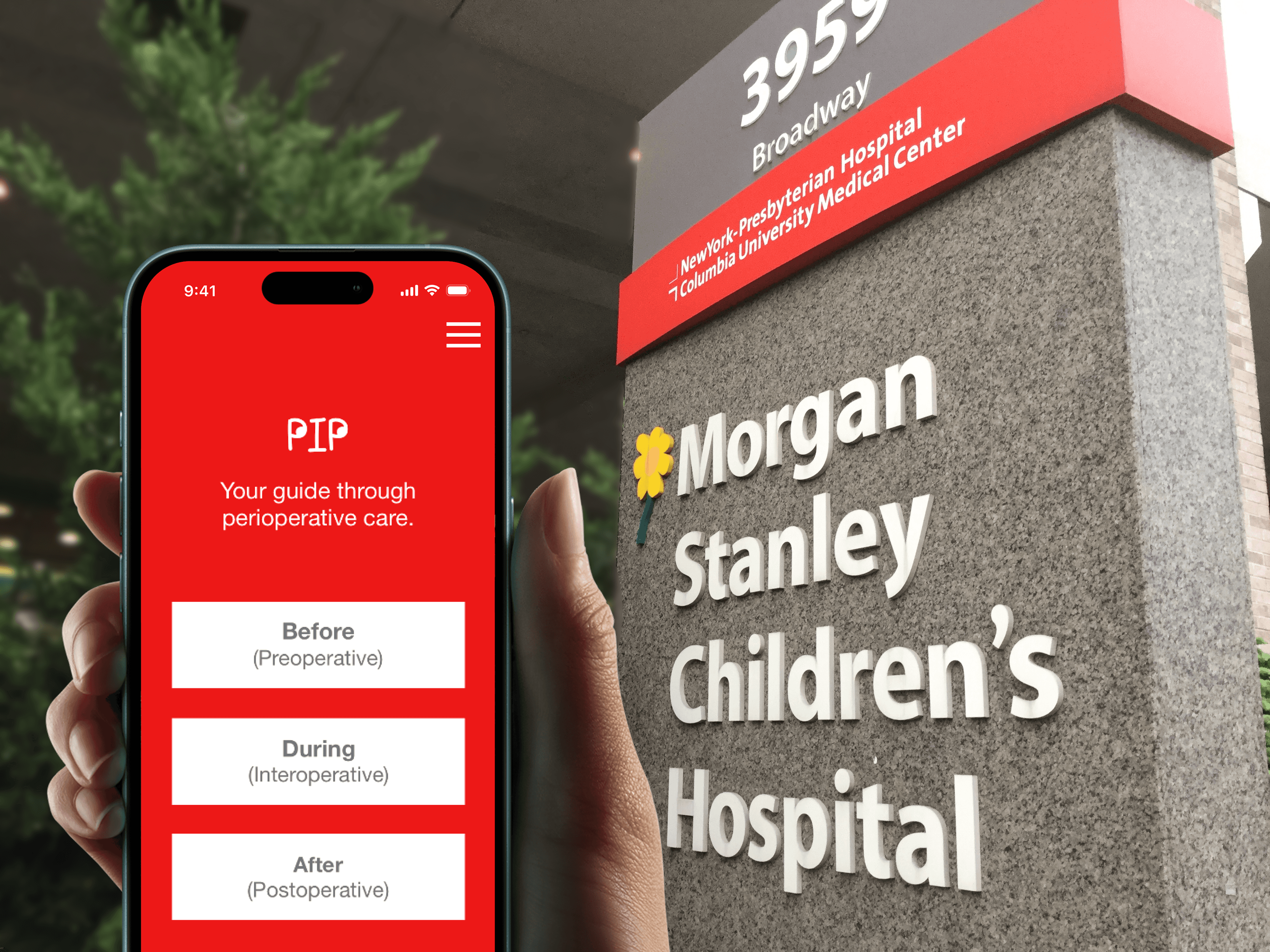
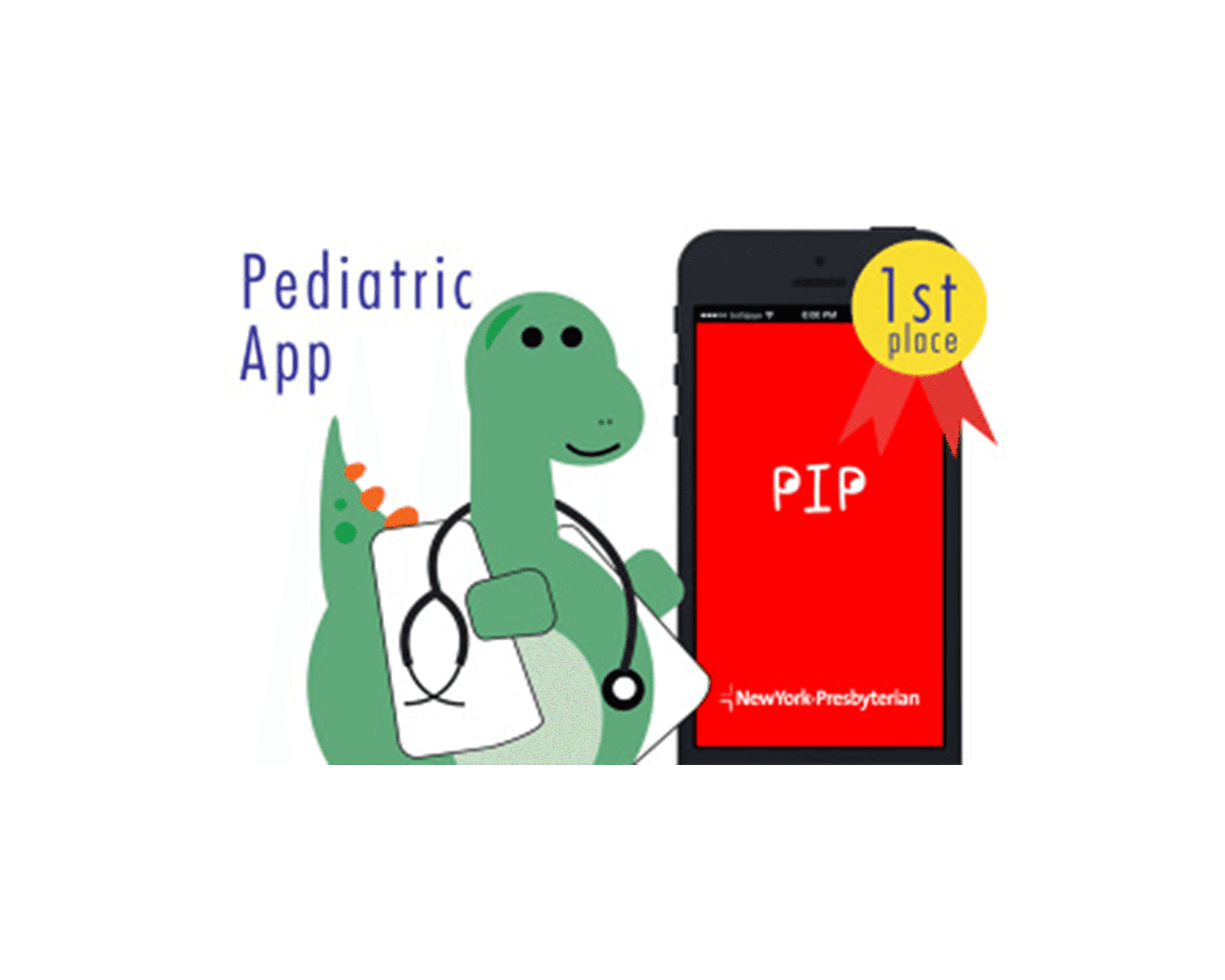
Recognition: 🏆 First Place — NYP Pediatric Appathon Helping Families Navigate Their Pediatric Care Journey My Role
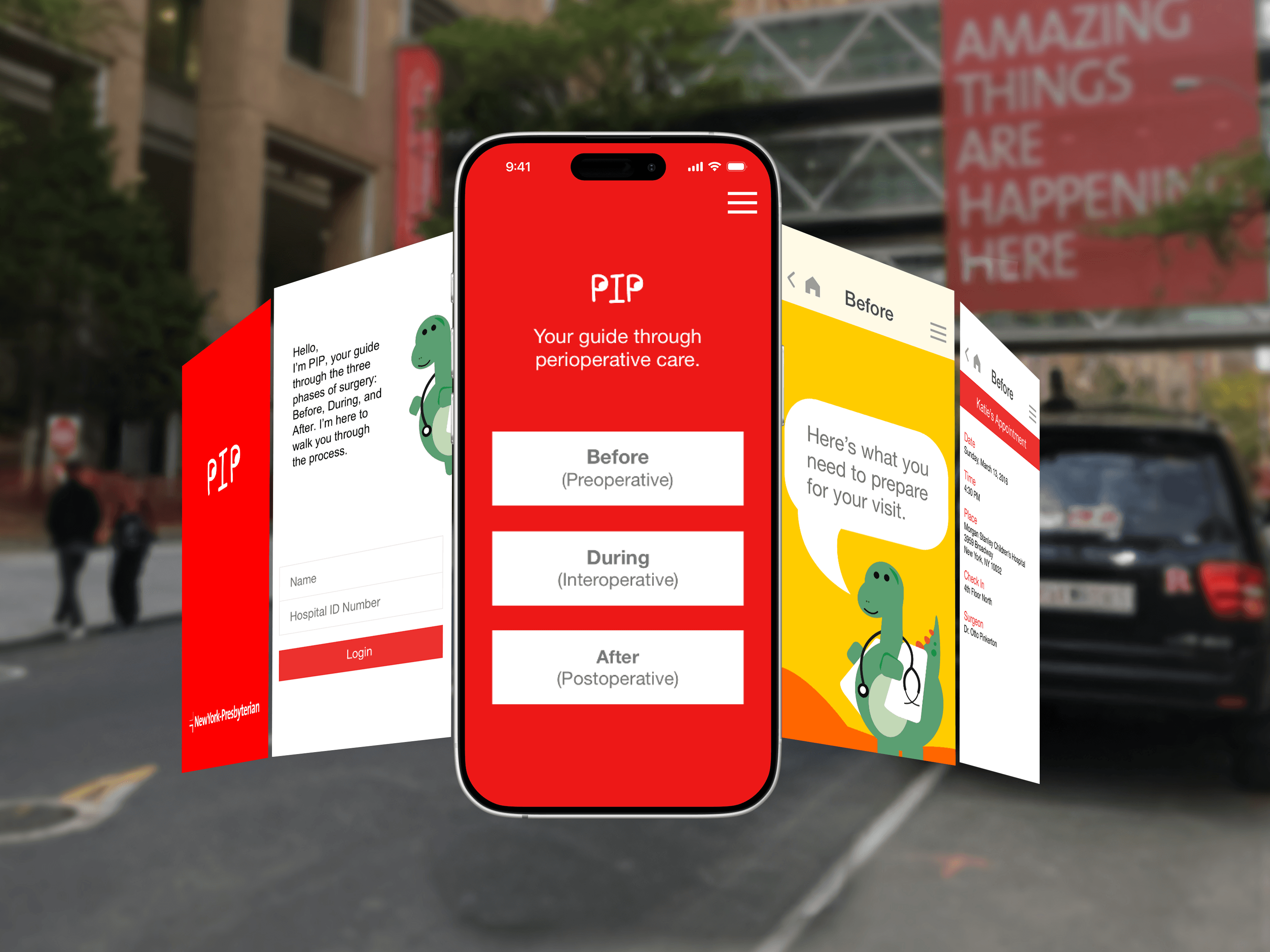
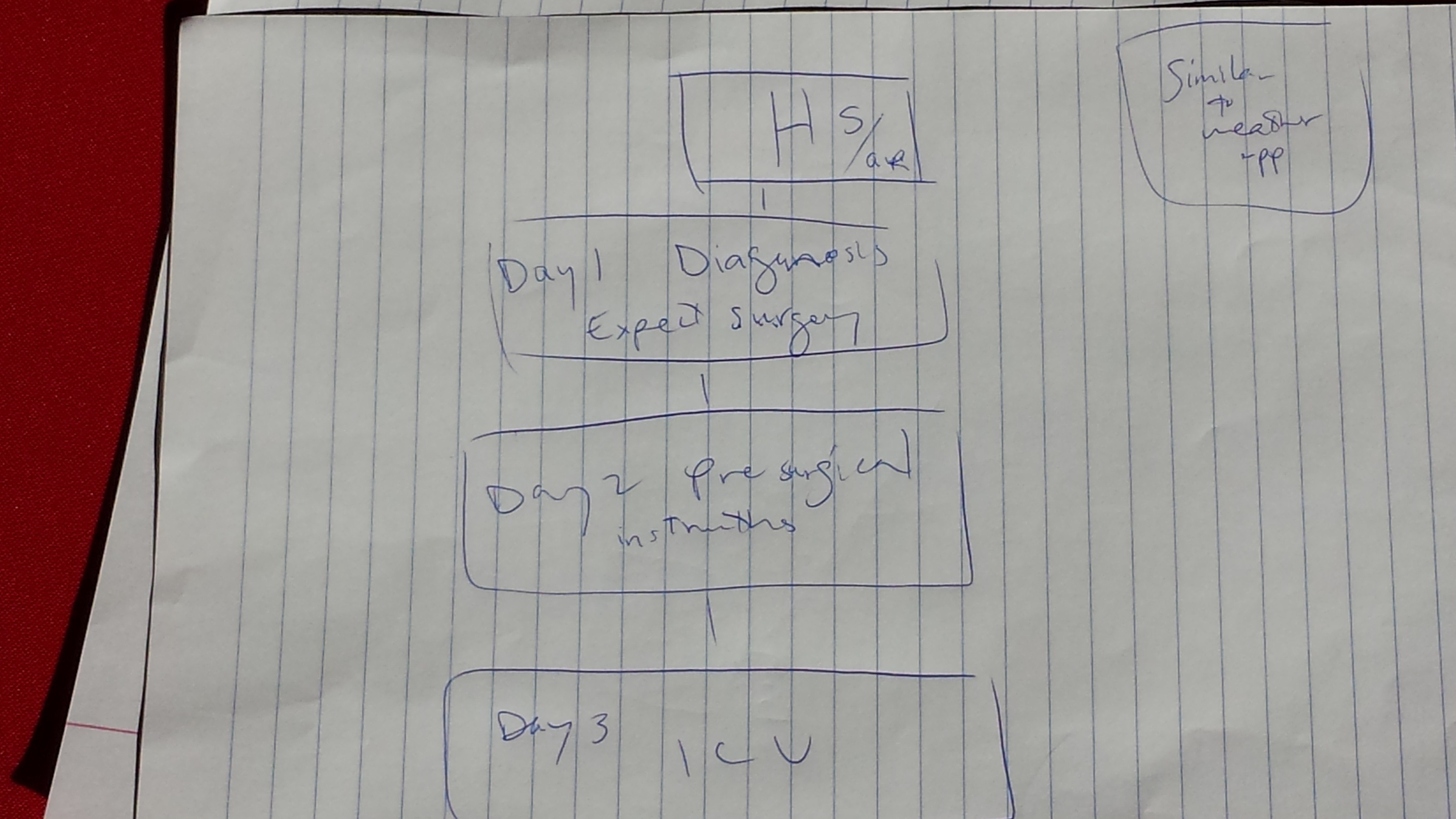
Lead Product & Systems Designer Co-designed the end-to-end user experience and visual interface system, translating complex clinical workflows and FHIR-based patient data into clear, empathetic, and accessible mobile experiences for caregivers and families. PROBLEM CONTEXT — Pediatric surgery places a heavy cognitive and emotional burden on families. Critical instructions are often delivered through dense printed materials that are difficult to navigate, easy to lose, and rarely read while families are under stress. PIP was conceived as a digital alternative to NewYork-Presbyterian’s printed “red book,” providing families with timely, phase-specific guidance before, during, and after surgery. Developed during NYP’s Pediatric Appathon, the project earned first place for its clarity, feasibility, and patient-centered design. CORE CONTRIBUTIONS — • Co-designed a mobile experience that guides caregivers across the preoperative, intraoperative, and postoperative phases of pediatric care. • Translated complex clinical workflows and FHIR-integrated patient data into clear, human-readable instructions and timelines. • Designed structured checklists, reminders, and provider information to reduce uncertainty during high-stress moments. • Introduced a friendly illustrated character system to support emotional reassurance and engagement for both parents and young patients. • Collaborated closely with clinical stakeholders to ensure accuracy, safety, and implemented alignment with hospital protocols. DESIGN FOCUS: Clarity, Comfort, and Trust A central design challenge was balancing clinical accuracy with emotional accessibility. Families needed guidance that was precise, but not overwhelming. We prioritized: • Progressive disclosure of information to prevent cognitive overload. • Clear phase transitions aligned to real hospital workflows. • Visual hierarchy and tone that conveyed calm, reassurance, and reliability. • FHIR-based personalization allowed families to see information relevant to their child’s specific procedure, reinforcing trust while avoiding unnecessary complexity. Try the clickable Prototype Mockup below (navigational and scrolling updates have been added):