Industry
Urban Mobility, Civic Technology
Client
Civic Systems UX
ParKarma: A Smarter, Greener Approach to Urban Parking

Smart Parking for Smarter Cities My Role
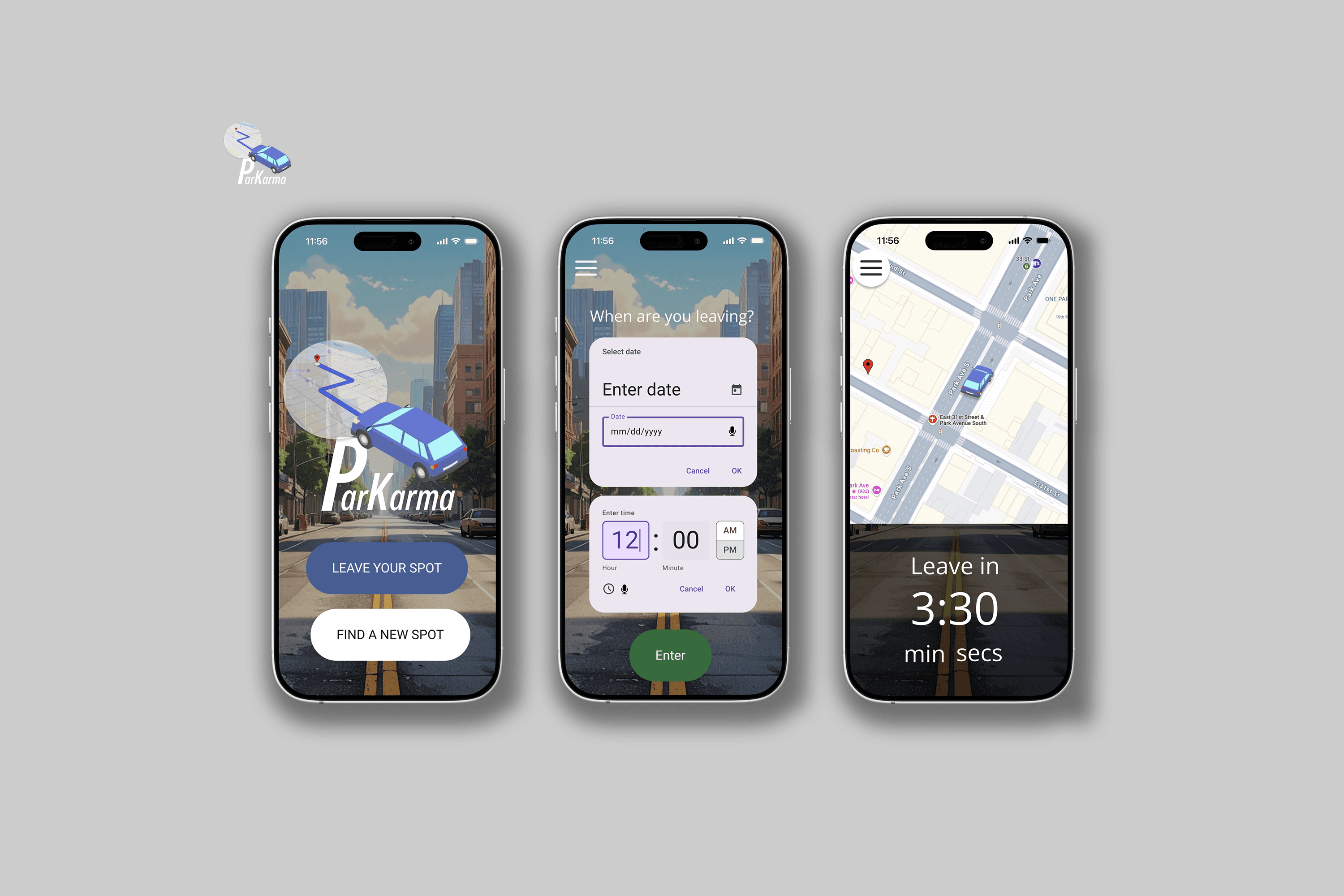
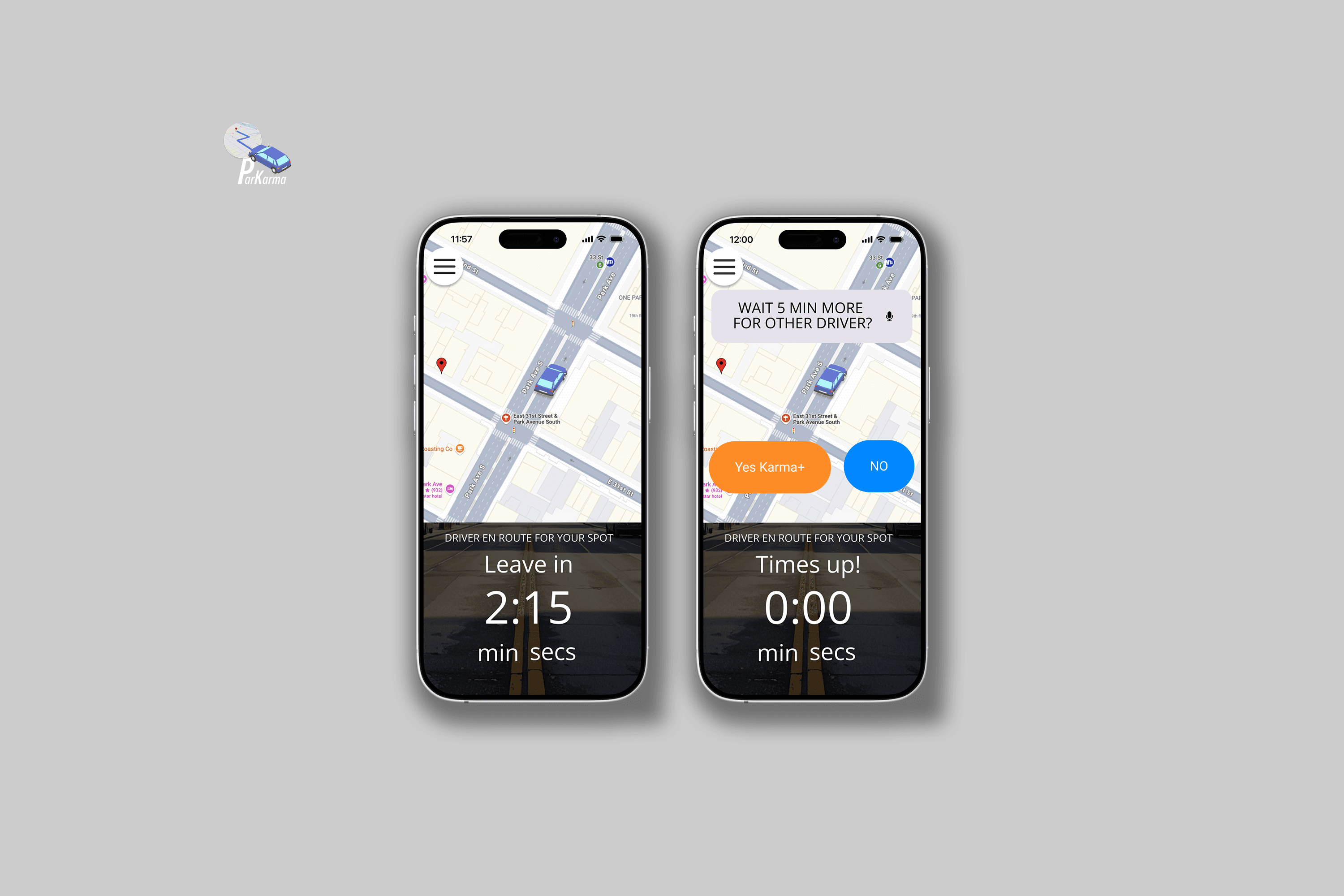
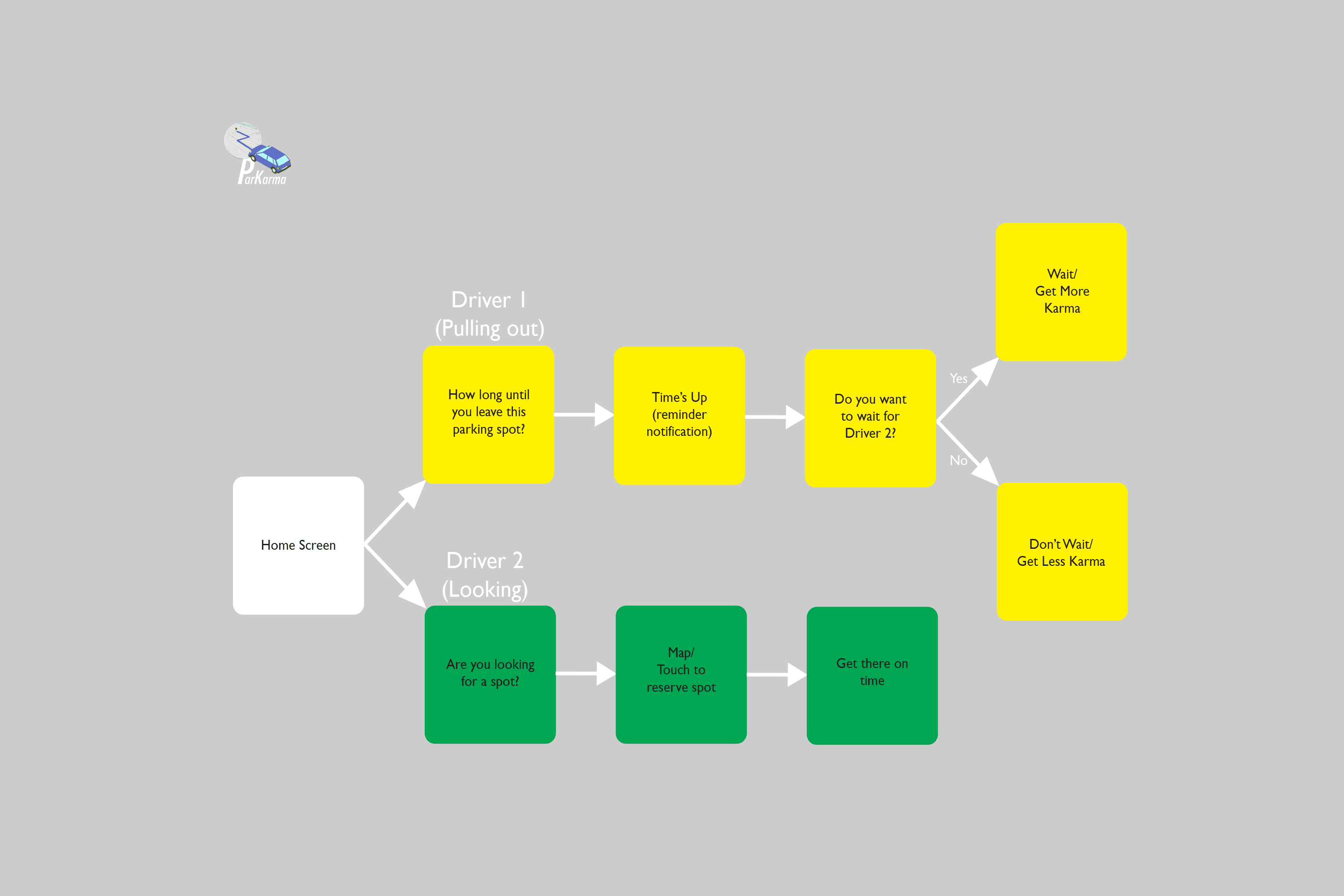
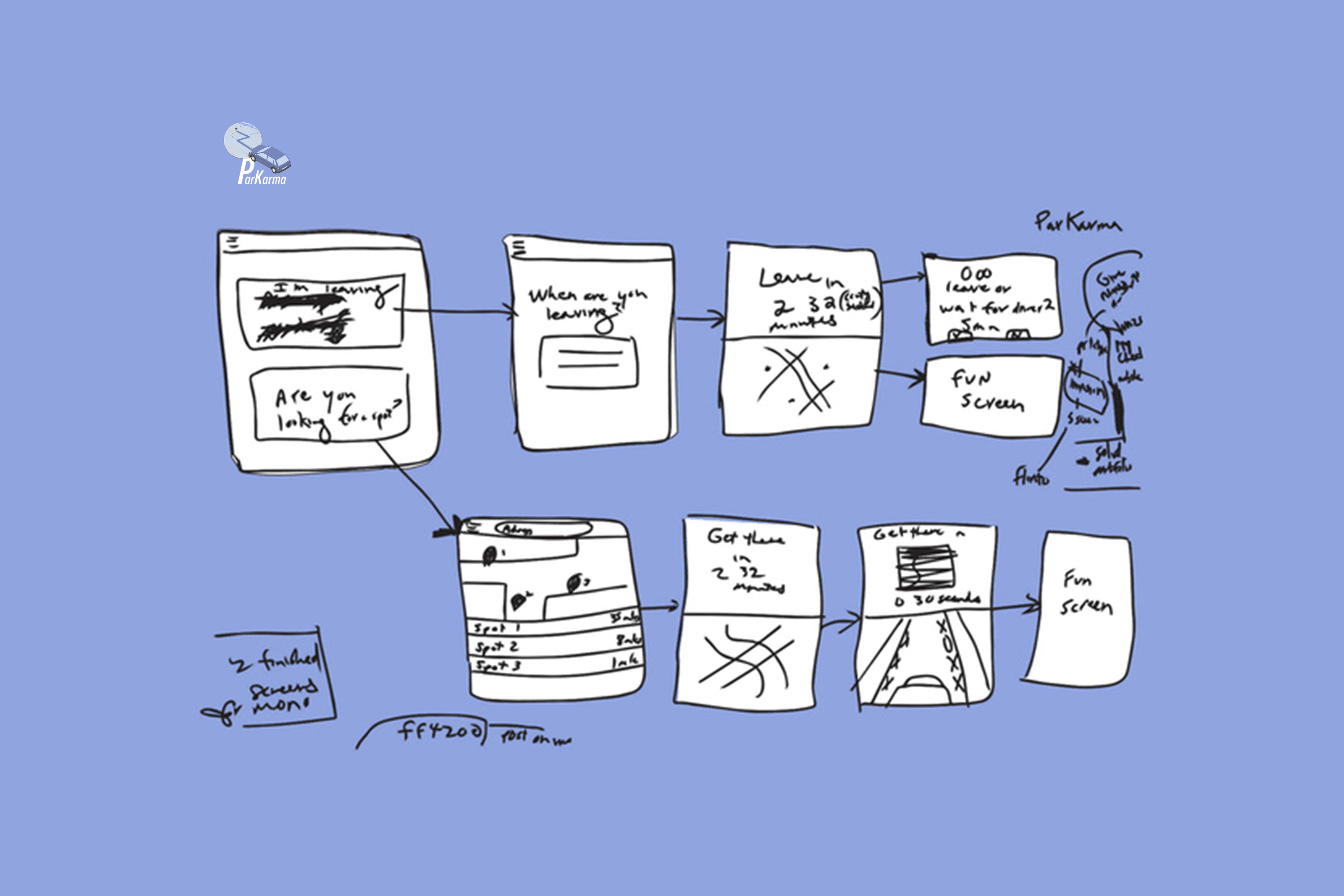
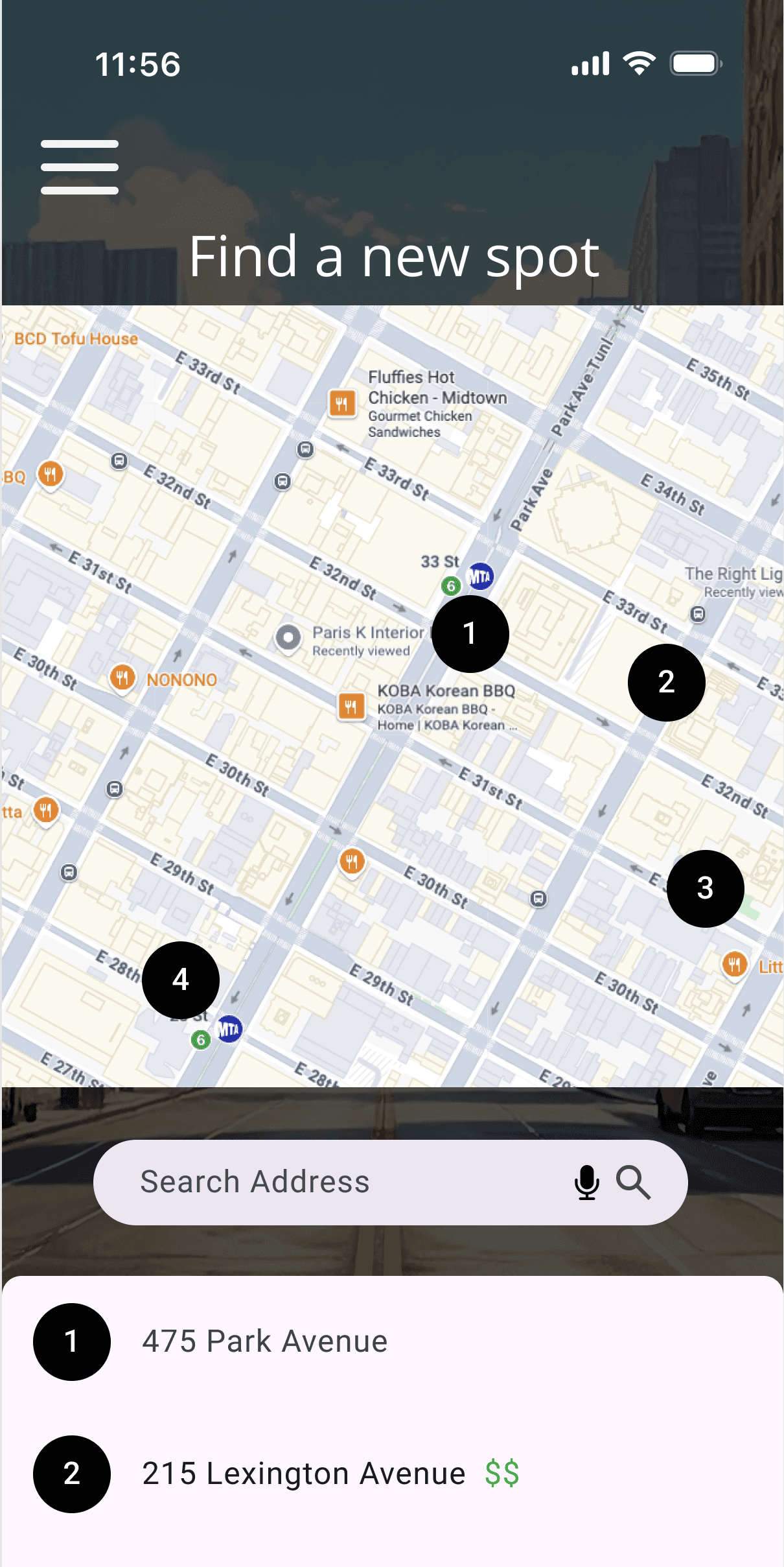
Lead Product Architect (Speculative) Designed the product architecture, interaction flows, and visual system for a two-sided civic platform, aligning real-time data, municipal rules, and user experience across drivers, private hosts, and city-scale constraints. PROBLEM CONTEXT — Urban parking is a persistent source of congestion, fuel waste, and daily stress. Drivers often circle blocks searching for legal parking, contributing to emissions and traffic, while available curb space and private spots remain inefficiently utilized. ParKarma explores how a thoughtfully designed mobile experience could reduce friction in urban parking by combining real-time data, rule awareness, and ethical AI assistance. CONCEPT OVERVIEW — ParKarma is a speculative mobile platform that helps drivers locate safe, legal, and context-aware parking options without excessive searching. The system is designed to balance individual convenience with civic priorities such as fairness, accessibility, and environmental impact. Rather than optimizing solely for speed or profit, the concept emphasizes rule-compliant guidance, transparency, and responsible use of shared urban resources. CORE CONTRIBUTIONS — • Designed a two-sided interaction model supporting drivers seeking parking and hosts offering private or shared spots. • Defined the information architecture and user flows required to surface real-time availability while respecting municipal parking regulations. • Explored the role of AI-assisted guidance in helping users make compliant parking decisions without encouraging rule-breaking or congestion. • Created a cohesive visual system that prioritizes clarity, reduced cognitive load, and rapid decision-making in high-stress, time-sensitive contexts. • Considered accessibility, sustainability, and governance constraints as first-class design inputs rather than afterthoughts. DESIGN FOCUS: Ethics, Clarity, and Urban Impact A central challenge was designing assistance without encouraging harmful behaviors such as illegal parking, traffic congestion, or inequitable access to shared space. Design principles included: • Clear signaling of legality and constraints to support informed decisions. • Stress-reducing flows that minimize time-on-task while driving. • Avoidance of opaque optimization in favor of understandable, trust-building guidance. Try the clickable Prototype Mockup below: