Industry
Gaming / Social VR
Client
Meta – Horizon Worlds Creator Program
Social VR Basketball Experience (Mobile, Web & VR)
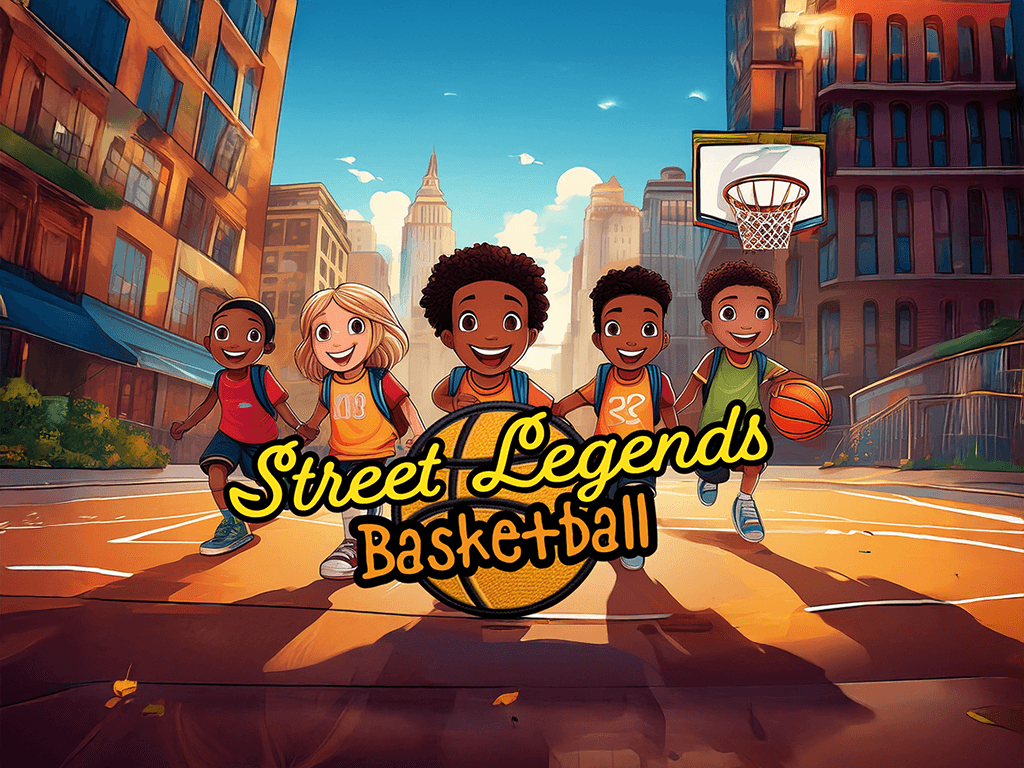
From Virtual Court to Social Play My Role
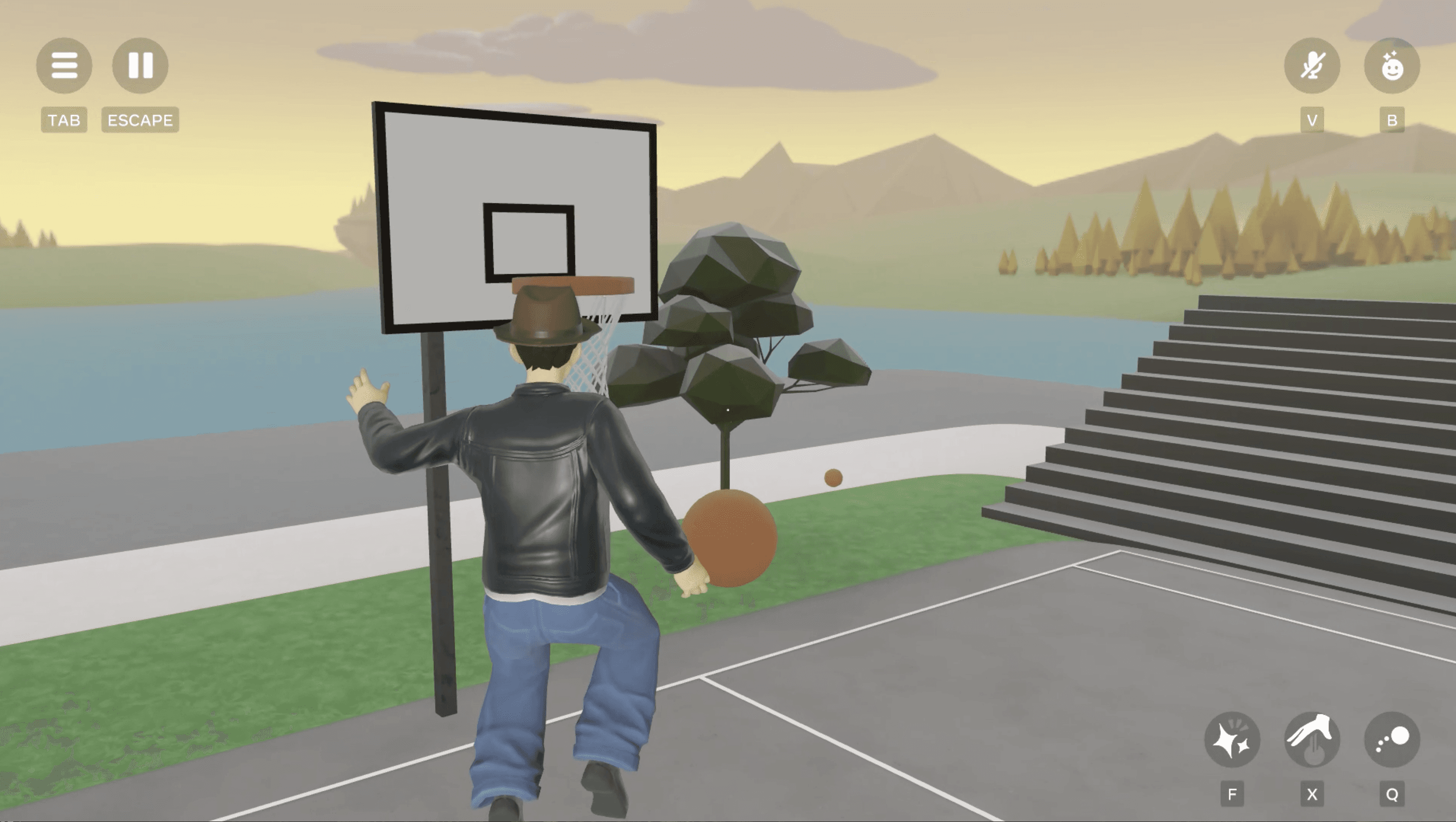
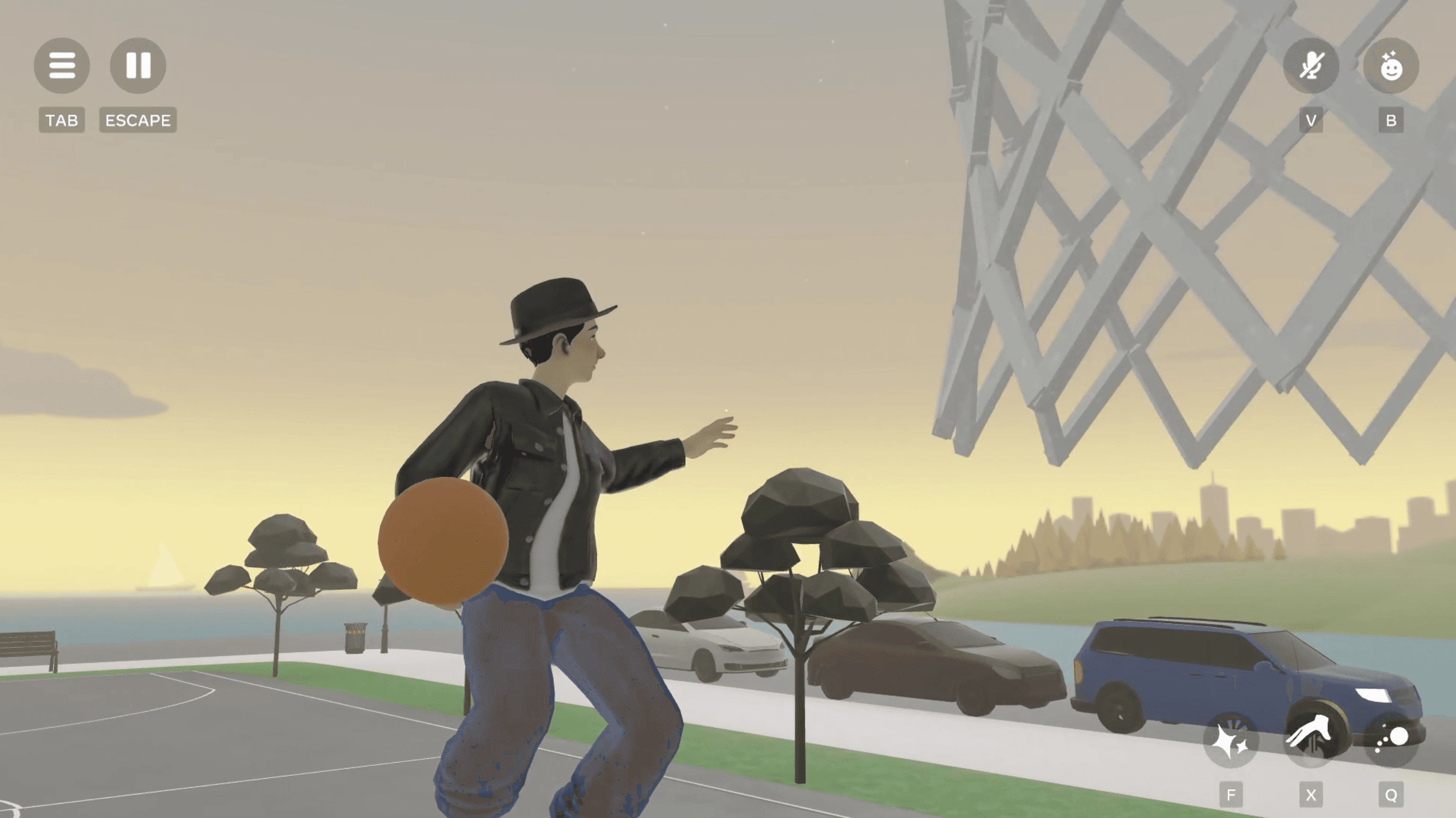
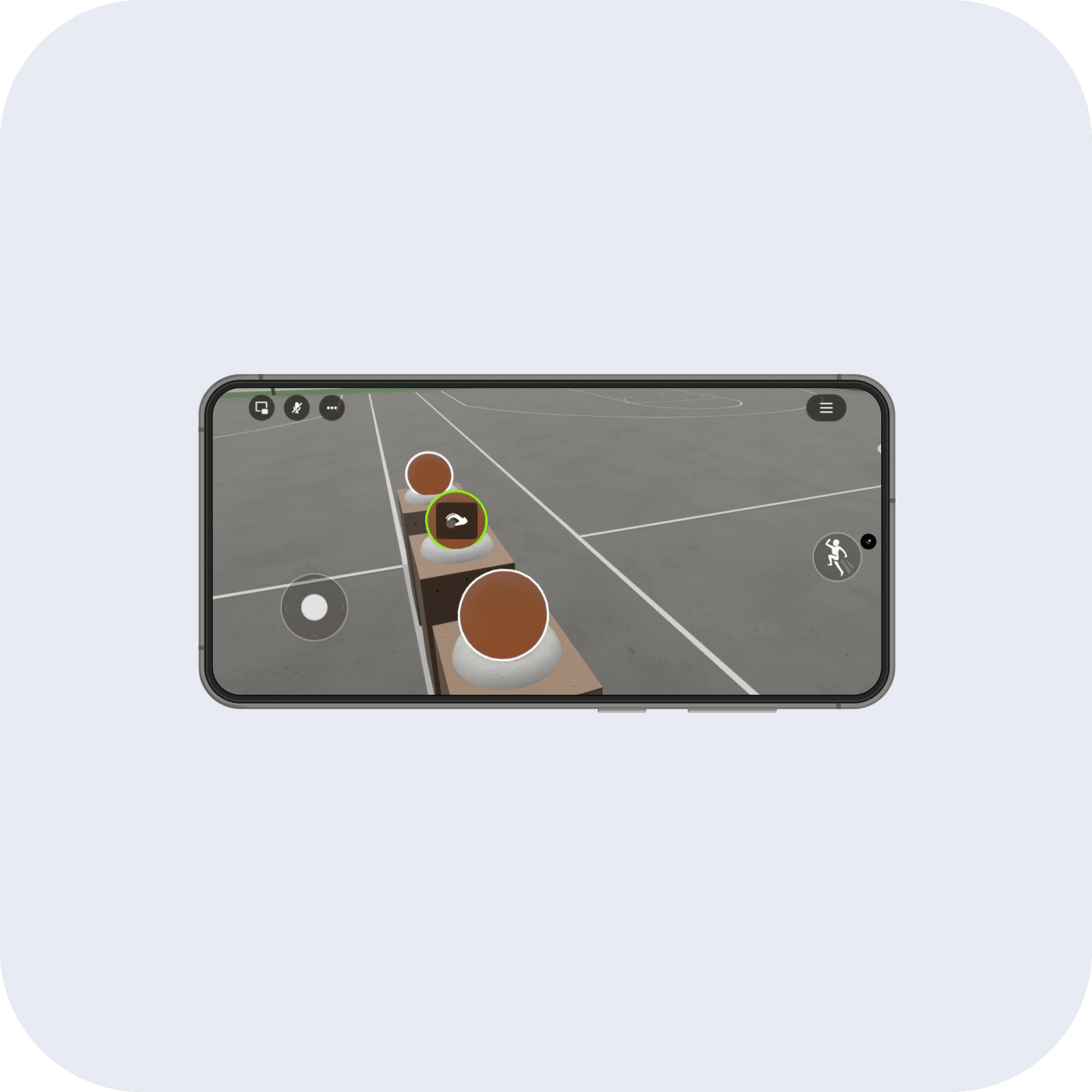
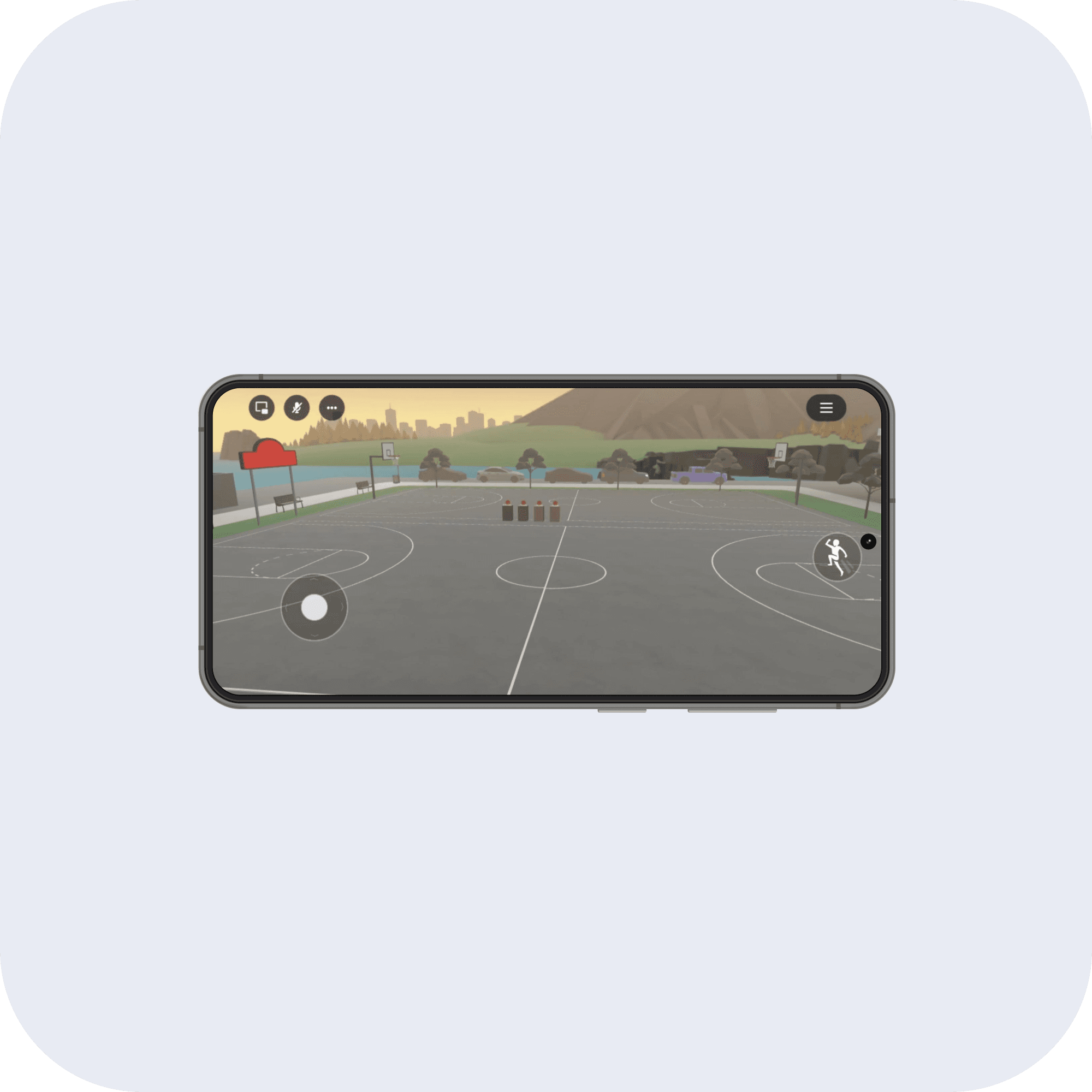
Lead XR Experience Designer • Designed the core interaction model for ball handling, shooting, and multiplayer court flow. • Defined spatial layout, scale, and affordances to support both active play and social gathering. • Balanced gameplay mechanics with Horizon Worlds platform constraints across VR and mobile inputs. Street Legends Basketball is a social sports experience built for Meta Horizon Worlds, designed to run seamlessly across VR headsets, mobile, and web. Players step onto a street-style basketball court, grab a ball, and challenge friends to casual shootouts or group play with up to eight participants. The experience emphasizes approachability, social presence, and low-friction fun, making it accessible to first-time VR users while still engaging for experienced players. DESIGN FOCUS — Accessible Play in Shared Virtual Space The primary design challenge was creating a sports experience that felt intuitive, social, and physically readable across different devices and player skill levels. Key design considerations included: • Cross-platform interaction — Ensuring shooting and movement felt natural in both VR and mobile contexts. • Social-first layout — Designing the court as both a game space and a place to hang out. • Low cognitive load — Simple mechanics that encourage quick onboarding and spontaneous play. • All-ages accessibility — Visual clarity, forgiving physics, and non-intimidating game rules. IMPLEMENTATION — Built using Horizon Worlds’ native physics and interaction tools, the experience supports: • Real-time multiplayer play with up to 8 users • Casual competitive modes without formal matchmaking • Spatial audio and avatar presence to reinforce social connection